
Artificial Intelligence (AI) is transforming the way businesses operate. From automating admin tasks to analysing data in seconds, AI offers productivity and organisational benefits. However, the same technology is also empowering cyber criminals and hackers with powerful tools to plan potentially devastating attacks.
A growing threat to SMEs
In the UK, cybercrime is no longer just a problem for large corporations. Small and medium-sized enterprises (SMEs) are now among some of the most targeted organisations. Cyber criminals know SMEs often hold valuable commercial and personal data, and, like many growing businesses, may not always have the same level of dedicated in-house security resources or formal processes as larger organisations. Unfortunately, this can make SMEs an attractive and vulnerable target.
AI in the workplace
AI is a hot topic in many organisations and is becoming more accessible by the day. While it can save significant time and improve efficiency in your working day, using AI without a clear policy, governance, or staff training can expose your business to serious risks, which is often unintentional.
Employees may use AI tools as part of their day-to-day work to save time, generate ideas, or improve documents. However, many people don’t realise that entering data into open AI platforms is no different to posting it on a social media platform. This information may be stored, reused or cited in future prompts to anyone, anywhere in the world.
Sometimes employees input confidential company or personal data into AI tools without approval, often to save time and improve productivity. This is known as Shadow AI, and it creates data security, privacy and compliance risks for companies.
Studies show that over one-third of employees admit to sharing sensitive work information with AI tools without permission, often without understanding the implications under UK GDPR.
Reducing AI-related risk through policies and training
Positively, many of these risks are preventable. Using company-approved AI-tools, providing clear and comprehensive staff training, and implementing well defined AI usage policies and processes can significantly reduce exposure. It is important for employees to understand not just how to use AI, but what not to share and why it matters.
Document management in an AI driven world
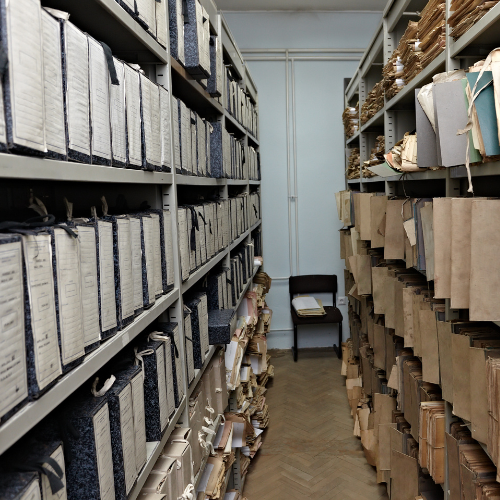
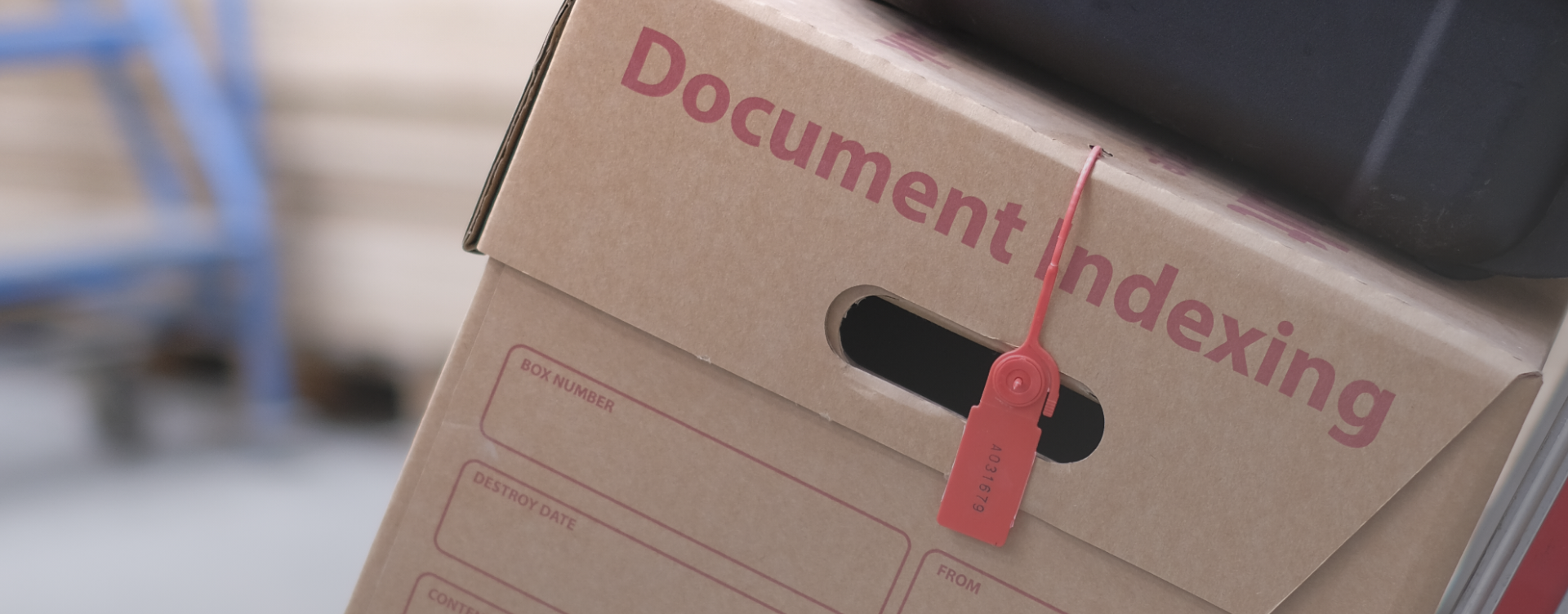
Effective records management means understanding how information is created, stored, accessed, shared, scanned, retained, and ultimately disposed of, regardless of format. While electronic records require strong cyber controls, physical documents offer an additional layer of protection in a digital world. Managing both physical and digital records as part of a hybrid strategy helps businesses manage risk, maintain compliance, and respond more quickly and confidently when a security incident occurs.
Digital document storage offers many advantages including improved operational efficiency, reduced paper usage, and the ability for staff to work remotely. Features such as encryption,controlled access and audit trails can make digital systems highly secure when managed correctly.
However, as cyber threats and AI-driven risks continue to evolve, relying solely on digital systems can leave businesses exposed if data is compromised, systems become inaccessible, or information is shared unintentionally.. Physical document storage still plays a fundamental role in business continuity,disaster recovery planning, providing a secure offline backup, and helping organisations maintain access to critical records when digital systems are down or disrupted.
Why a hybrid approach works best
Physical document storage remains one of the most secure ways to safeguard sensitive and confidential information. For many businesses, adopting a hybrid records management approach is the ideal solution. Documents that require constant access may be better stored digitally, however, it’s worth considering retaining a physical copy of any key and valuable information as a backup. Historical records, original documents like Wills and Deeds, and highly sensitive data are often best stored physically. This approach helps protect critical information from cyber threats while keeping document management efficient and compliant.
Securing digital and physical records
For digital records, it’s essential to ensure your IT security measures are robust, and to understand what protections can be put in place to prevent cybercrime. Regular audits and testing your business continuity plan can also provide reassurance not only to you and your organisation, but your clients too.
For your physical records, partnering with a reputable records management company is imperative to the safety of your records. At Archive-Vault, we hold two ISO accreditations, have completed the NHS Data Security and Protection Toolkit, and have recently achieved Cyber Essentials certification. This gives our clients complete peace of mind that their records are stored securely and compliantly.
Protecting what matters most to you, and your clients
We live in a world where cyber criminals can hack into the most sophisticated IT systems. A hybrid approach to records management offers the best of both worlds, combining security with efficiency. While digital records improve accessibility, storing critical documents in physical form adds an extra layer of protection by keeping them out of reach of hackers.Contact Archive-Vault today to find out how we can support your records management and data protection strategy. Send us an online enquiry, call 01603 720722, or email us at info@archive-vault.co.uk.