

Imagine your business is going through an audit. Everything is running smoothly until a simple question is asked…
“How long do you keep your employee records, contracts, or financial documents?”
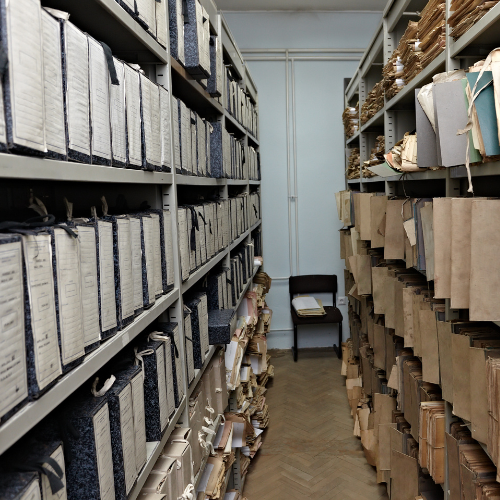
One person thinks Finance manages it. Finance assumes it’s handled by HR and HR believes IT or facilities have a system in place. Meanwhile, archived paper files sit in storage, digital records are spread across multiple systems, and no-one has the confidence to explain what is kept, why it’s kept, or when it should be destroyed.
It’s a more common scenario than you might think. Without a documented retention policy, businesses often rely on unwritten processes, individual knowledge, or a “keep everything just in case” approach. Unfortunately, that can create significant compliance, security, and operational risks.
Why this gets overlooked
Most businesses understand the importance of managing records, but creating a document retention policy doesn’t often make it to the top of the priority list.
Sometimes it may feel there aren’t enough hours in the day, or you aren’t sure where to start; especially if existing records have built up over many years, and the task can feel overwhelming.
As a result, document retention often becomes reactive rather than proactive, with decisions being made only when storage space runs low, an audit occurs, or a compliance issue arises.
The misconception worth correcting
Many organisations assume that keeping every document forever is the safest option. In reality, this may be breaking GDPR rules?
Holding digital and physical records beyond their required retention period can create compliance risks. Under data protection principles, organisations should not retain personal data for longer than needed.
Keeping outdated records can also increase exposure in the event of a data breach, lead to inconsistent record management practices and create uncertainty over which versions of documents are the most up to date. A retention policy defines a clear process and structure, and can help organisations stay on track.
What a retention policy covers
A document retention policy provides a clear framework for managing physical and digital records throughout their entire lifecycle.
Types of records include:
- Insurance records
- Financial records (invoices, accounts, tax records)
- HR and employee files
- Legal documents (contracts, agreements)
- Customer data
- Operational records (project files, reports, work orders)
- Emails and communications
- Internal records/ processes
Retention requirements can differ depending on your sector. Each document category should have a defined retention period based on:
- Legal requirements
- Business needs
- Industry standards
It is important to source official guidance from authoritative resources such as:
- HMRC
- ICO (Information Commissioner’s Office)
- National Archives
- Gov.uk
- Industry regulators – such as SRA (legal), NHS guidance (medical), or education authorities
Assigning responsibility is one of the most important elements of a retention policy. This could be a compliance officer, someone within the IT department, or an employee dedicated to managing records.
They need to ensure records are being managed correctly, that retention timelines are being monitored and actioned at the correct time. They may also be responsible for approving destruction, or co-ordinating it if the approval needs to be approved by individual departments or senior management/ directors.
Where to start
Creating a retention policy for the first time may feel daunting, but our guide will explain how to put the foundation together in a few simple steps.
- Start with an inventory
Before creating any rules, it is important to understand what records exist within your organisation. Identify what documents you hold, where they are stored, if they’re physical or digital and who has ownership of them.
- Group documents into categories
Group records into logical categories like HR records, financial, legal and operational documentation.
- Decide where and how your records will be stored
This is a crucial step to safeguarding your records, digitally and physically. It is vital to ensure your records are stored in the correct way and accessed by the correct people.
- Schedule annual reviews
Companies evolve, regulations change, and new document types are created. Reviewing your retention policy annually helps ensure it remains aligned with current legal, operational, and business requirements.
- Define the end of the documents lifecycle
Establish how records are identified for review, who approves destruction, and how this is documented.
- Share it
Once your policy is in place, ensure this is shared with everyone within the business so they have a clear understanding.
Where Archive-Vault can support you
Once your retention policy has been set, Archive-Vault can help take the manual administration out of managing them.
Our records management software allows retention periods to be assigned to stored files and archive boxes. As review dates approach, clients receive a notification, giving them the opportunity to either extend the retention period, review the contents or authorise secure destruction.
Archive-Vault also offers secure offsite document storage, confidential destruction (with a certificate for your records once complete), retention management and visibility of your records through the online client portal.
These services help businesses maintain control over your records while reducing administrative labour to maintain compliance.
Do you know who owns your retention policy?
If you’re unsure whether your organisation has a documented document retention policy, it may be time to review this.
A well-managed retention policy reduces risks, maintains compliance and gives your business confidence that records are being managed correctly throughout their entire lifecycle.
If you’d like to discuss your records management process or explore how Archive-Vault can support your document retention strategy, get in touch with our team today. Contact info@archive-vault.co.uk or give us a call on 01603 720722.