
Records management is more than just archiving paperwork. It’s a structured system that involves the identification, organisation, storage, maintenance, and secure disposal of records. Done properly, it saves time, reduces costs, and ensures legal compliance.
For businesses handling large volumes of both digital and physical documents, from invoices to personnel records, an effective records management strategy is essential. Poor record keeping can lead to wasted time, unnecessary costs, and potential data breaches and legal penalties for non compliance.
We’ve put together six practical tips to streamline your records management and improve your document storage and document scanning processes.
1. Create an information asset register
The first step in effective records management is understanding what records you hold, where they are stored, and how long you need to keep them. An information asset register acts as your business’ central reference guide for all records.
In the register, we recommend that you include:
- The types of documents your business holds
- Whether they are stored electronically or physically
- Document owners and responsible parties
- Retention periods for each record type
- Security measures in place
Once established, review and update this register regularly to maintain accuracy and compliance.
2. Set out clear policies
Records management policies ensure consistency across your organisation. Your policies should cover a record’s entire lifecycle, from creation to destruction. When putting together your register, it is important to make sure your organisation has laid out rules and processes for maintaining records.
Key elements to your policy should include:
- Retention schedules: define how long each type of document should be kept
- Destruction processes: ensure secure disposal of records at the end of their lifecycle
- Staff responsibilities: clarify who handles what, making policies simple and accessible
- Access and security rules: see tip 4 for more details
Clear policies reduce confusion, improve efficiency and continuity, and keep your organisation compliant with data protection laws.
3. Create an indexing system
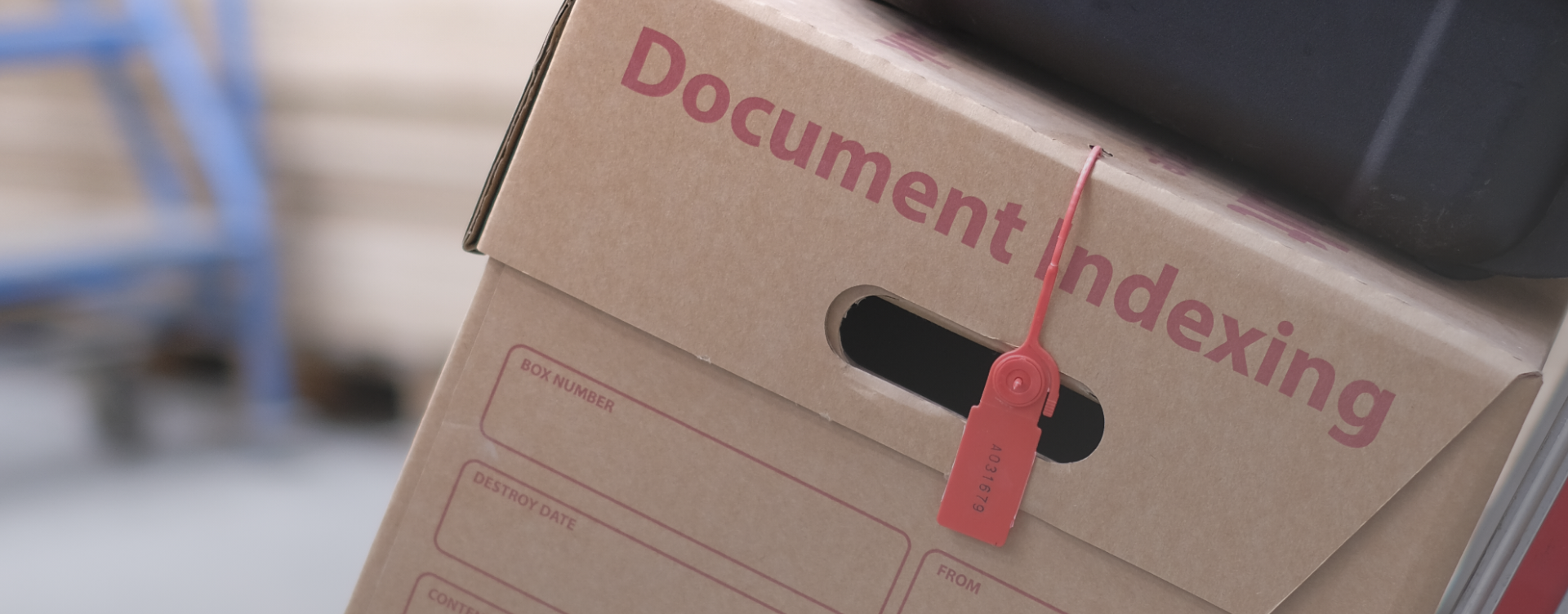
An effective indexing system makes it easy to locate records quickly. Use consistent reference codes or naming conventions for your documents.
Your index should:
- Identify each record’s location, version, and retention history
- Be simple enough for any authorised staff member to use
- Align with your business requirements
- Be consistent with the type and style of indexing used
A well organised index is imperative to both document storage and document scanning systems.
4. Consider security and access
Records often contain sensitive or personal information. It’s important that consideration is given to how these records will be kept safe.
- Physical records: store in locked cabinets or offsite with a secure storage provider. Vault storage may be necessary for highly confidential files
- Electronic records: implement antivirus software, firewalls, encryption, and staff cyber security training
- Access control: define who can access which records and regularly review permissions. Immediately remove access when staff leave
Strong security safeguards your organisation and ensures compliance with privacy regulations.
5. Have a back-up plan
Back-up plans can be the lifeline in an emergency. For instance, a fire could destroy your physical records or your digital data could be maliciously altered or deleted. A records management backup strategy ensures business continuity.
- Identify essential records for daily operations
- Set up a regular back-up schedule
- Back up digital records to the cloud or secure servers
- Store physical records offsite or use document scanning to create digital copies
Test your back-up plan regularly to guarantee that your critical information is always safe and accessible.
6. Use third-party document storage
Storing large volumes of records in-house can be expensive and time-consuming. Outsourcing to a specialist document storage and scanning provider simplifies the management of your records.
Key benefits include:
- Freeing up valuable office space
- Secure, compliant storage of physical records
- Professional document scanning to create digital versions
- Fast and flexible deliveries and collections
- Secure disposal of records at the end of their lifecycle
Working with experts like Archive-Vault ensures your records are well-managed, accessible, and fully compliant.
Talk to us about your records management
At Archive-Vault, we help businesses manage their records efficiently. From secure document storage to professional document scanning and compliant destruction, we make records management simple.
Call us today on 01603 720722 or email info@archive-vault.co.uk to find out how we can support your organisation.